The Tomb of Qutb al-Din Haidar: A Historical Landmark in Turbat Heydarieh
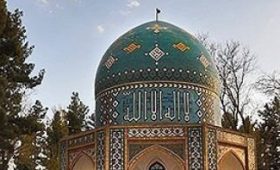
The Tomb of Qutb al-Din Haidar, located in the heart of Turbat Heydarieh, is one of the most significant historical landmarks in the region. Built in 987 AH (approximately 1579 AD), this mausoleum holds both historical and architectural importance. The tomb is dedicated to Qutb al-Din Haidar, a prominent figure, whose legacy is deeply intertwined with the local history of the city.
Architectural Features
This architectural gem reflects the grandeur of the Timurid period, showcasing classic elements such as intricate brickwork and majestic dome structures. The tomb’s design represents the fusion of Persian and Islamic architectural styles that marked the Timurid dynasty, renowned for their emphasis on grandiosity and symmetry.
The structure features a large, octagonal plan with delicate tile work and calligraphic inscriptions, many of which are remnants of the era’s artistic flourishes. The central dome, which is the most striking feature of the building, stands tall, symbolizing the eternal nature of the soul and the divine.
Historical Significance
The tomb’s construction during the Timurid period speaks to the influence of the dynasty, known for their advancements in architecture, science, and culture. The presence of this tomb highlights the region’s rich history, and it serves as a cultural and historical symbol for the people of Turbat Heydarieh.
Over the centuries, the tomb has become a site of pilgrimage, visited by people who admire the architectural beauty and the legacy of Qutb al-Din Haidar.
Today, the Tomb of Qutb al-Din Haidar continues to attract visitors from all over, who come to admire its architectural splendor and learn about the historical significance of the region. It remains a testament to the rich cultural heritage of the Timurid dynasty and the enduring legacy of its figures.