
Minar-e Jonban (Shaking Minaret) of Kharanq: A Marvel of Persian Architecture
p>
The Minar-e Jonban (Shaking Minaret) of Kharanq is one of the most fascinating historical and architectural landmarks in Iran. Located in the village of Kharanq in Yazd province, this unique structure has garnered attention due to its unusual ability to shake, making it one of only three shaking minarets in the country. The minaret, along with the surrounding complex, is considered a major tourist attraction and an important example of Persian engineering and architectural ingenuity.
Historical Significance:
- p>
- Origins and History: The Minar-e Jonban of Kharanq dates back to the 14th century, a period of great architectural achievement in Iran. It is believed to have been built during the Ilkhanid period, a time when Persian architecture saw a fusion of Islamic and Persian styles. The minaret is part of a larger mosque and is an essential feature of the village’s architectural landscape.
- The Shaking Phenomenon: What truly sets this minaret apart from others in the region is its remarkable ability to sway. When one of the minaret’s towers is pushed or shaken, the other minaret will also move in synchrony, albeit in the opposite direction. This phenomenon has intrigued both historians and scientists for centuries. The motion is clearly visible to the naked eye and is a subject of much discussion regarding the mechanics behind it. The shaking of the minaret has been a subject of fascination for both locals and visitors. It is said that the minaret was designed with a special structural technique that allows the movement, making it a marvel of engineering.
Architectural Features of Minar-e Jonban:
- p>
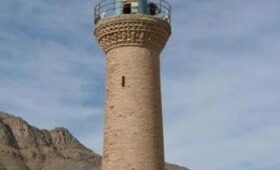
- Design and Structure: The Minar-e Jonban is built with a traditional brick and mortar structure, which is common in the architecture of the region. The minaret is 17 meters tall and stands out with its cylindrical shape and fluted columns. The base of the minaret is square-shaped, and as it rises, the structure gradually narrows, typical of many Persian minarets. The walls of the minaret are decorated with intricate brickwork patterns, showcasing the detailed craftsmanship of the period.
- Swaying Mechanism: The shaking effect of the minaret is thought to be a result of its innovative construction. It is believed that the minaret was built in such a way that the upper part of the tower is loosely connected to the base. This allows the tower to sway without causing any damage to the structure. The motion is thought to be caused by external forces, such as wind, or when one side of the minaret is physically pushed. Some experts also believe that the shaking effect may have been intentionally designed to create a visual spectacle for worshippers, as the movement of the minaret could have symbolized spiritual energy or divine presence. Others suggest that the swaying could have been a result of seismic activity, though this remains a subject of speculation.
- Decorative Elements: The minaret is adorned with exquisite tile work and decorative arches, which are characteristic of Persian Islamic architecture. The designs are geometric, showcasing the precision and artistic skill of the builders. The top of the minaret features an ornate finial, adding a touch of grandeur to the structure.
- The Mosque Complex: The minaret is part of a larger mosque complex in Kharanq, which also includes a prayer hall and a courtyard. The mosque itself, though somewhat simple in design, is significant for its role in serving the local community. The minaret was likely built not only as a functional architectural feature but also to serve as a visual focal point for the village.
Cultural and Religious Significance:
- p>
- Symbol of Spirituality: In Islamic culture, minarets are often seen as symbols of spirituality and connection to the divine. The movement of the Minar-e Jonban may have been interpreted as a physical manifestation of spiritual energy. The minaret’s ability to sway might have been seen as a powerful reminder of the presence of the divine in everyday life.
- Community and Religious Center: As part of the mosque complex, the minaret also played an important role in the religious and social life of the village. The mosque was likely a center for prayer, education, and community gatherings. The shaking minaret would have been a focal point for the community, adding to the mosque’s prominence in Kharanq.
Scientific and Engineering Interest:
- p>
- Mystery and Modern Analysis: The shaking of the minaret continues to intrigue engineers and scientists who have sought to explain the phenomenon. While the exact reasons for the minaret’s motion remain unclear, researchers have proposed various theories. Some believe that the structure’s unique design, including its thin walls and lightweight upper section, allows it to sway when subjected to external forces. Others have suggested that the movement could be a result of the minaret’s acoustic properties, or it could simply be the product of a highly skilled and innovative form of engineering that was ahead of its time.
- Comparisons to Other Shaking Minarets: The Minar-e Jonban of Kharanq is one of only three minarets in Iran that are known for their shaking ability. The other two, located in Isfahan and Abyaneh, also exhibit similar movement. These minarets have become important sites for both historical study and tourism, as the phenomenon of a shaking minaret is rare and highly captivating.
Tourism and Preservation Efforts:
- p>
- A Popular Tourist Attraction: The Minar-e Jonban of Kharanq attracts many visitors, both from within Iran and from abroad. Its unique ability to move has sparked the curiosity of tourists, and the structure has become a symbol of the area’s rich cultural heritage. The minaret’s architectural beauty, combined with its mysterious movement, makes it one of the must-visit destinations in Yazd province.
- Preservation and Conservation: As a historical monument, the Minar-e Jonban of Kharanq is under the protection of the Iranian Cultural Heritage, Handicrafts, and Tourism Organization. Efforts have been made to preserve the minaret and the surrounding mosque complex. Restoration work is periodically carried out to maintain the structure’s integrity, and the monument is closely monitored for any signs of deterioration.
- Educational Value: The minaret offers significant educational value to those interested in Persian architecture, engineering, and Islamic history. Its construction and continued movement provide valuable insights into the ingenuity of ancient builders and the importance of minarets in Islamic culture. Visitors and scholars alike are drawn to the site to learn more about its historical and architectural significance.
p>
The Minar-e Jonban of Kharanq stands as one of the most extraordinary and mysterious examples of Persian architecture. Its ability to sway remains a source of fascination and intrigue for both tourists and scholars alike. The minaret’s unique design, combined with its cultural and religious significance, makes it a prominent landmark in Iran’s rich architectural heritage. The Minar-e Jonban continues to captivate those who visit, offering a glimpse into the brilliance of ancient Persian engineering and the enduring mystery that surrounds this remarkable structure.