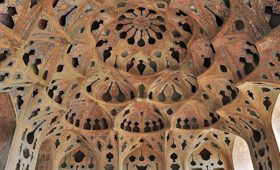
Agha Bozorg Mosque and Madressa, Kashan: A Majestic Masterpiece of Qajar Architecture
The Agha Bozorg Mosque and Madressa in Kashan is one of the most splendid and historically significant structures from the Qajar period in Iran. This remarkable architectural complex, which encompasses both a mosque and an Islamic school (madressa), is a testament to the artistic and cultural development of the era. Located in the heart of Kashan, the mosque continues to be a key landmark, attracting visitors from all around the world.
In this article, we will explore the history, architectural features, and cultural significance of the Agha Bozorg Mosque and Madressa, shedding light on why it stands as one of the greatest treasures of Qajar architecture.
Historical Background
The Agha Bozorg Mosque and Madressa was constructed between 1250 and 1260 AH (1834–1844 AD) under the patronage of Haj Mohammad Taqi Khanban, a wealthy merchant from Kashan. The primary purpose of this architectural project was to create a space for communal prayer, educational activities, and the teaching of religious studies.
The mosque and madressa were designed not only as places of worship but also as centers for learning and intellectual discourse. The complex was intended to serve as a focal point for the community, bringing together the religious and social functions of the time. Over the years, it has remained a central part of the local spiritual and educational life.
Architectural Features
The Agha Bozorg Mosque and Madressa is an outstanding example of Qajar architecture, incorporating a blend of Islamic, Persian, and traditional local styles. Several elements make this mosque stand out among the many architectural gems in Kashan and Iran in general:
1. The Large Dome
The dome of the mosque is one of its most striking features. Built using traditional materials like brick and mud, the dome is both monumental and delicate. The design reflects the typical Islamic architectural style, with its symmetrical and balanced proportions. The central dome allows for an abundance of natural light to filter through, creating a serene atmosphere for prayer.
The interior of the dome is adorned with intricate tilework, featuring geometric patterns and vibrant colors that are characteristic of Qajar-era craftsmanship. These tiles contribute to the tranquil and contemplative environment within the mosque.
2. The Iwan and Minarets
The iwan (a large vaulted hall or space) is another architectural feature that defines the mosque. The iwan serves as the entrance and is flanked by two minarets that soar above the structure. The minarets are decorated with delicate tilework and calligraphic inscriptions, contributing to the grandeur of the mosque’s façade.
The iwan and minarets are symbolic of Persian architecture, providing a sense of openness and grandeur that is often associated with the Islamic Golden Age.
3. Courtyard and Surrounding Spaces
The mosque complex features a large, open courtyard that is bordered by porticoes and surrounded by arched arcades. The courtyard is designed to be a space for relaxation and reflection, with fountains and water channels running through the area. The water features, including a central pool, are integral to the design, serving both aesthetic and functional purposes. In the hot desert climate of Kashan, water provides a cooling effect, creating a serene and peaceful environment for visitors and worshippers alike.
The courtyard is not only a space for physical comfort but also represents the concept of paradise in Islamic garden design, where water, greenery, and architectural beauty combine to create a harmonious whole.
4. The Madrassa (Islamic School)
Attached to the mosque is an Islamic school (madressa), which served as an important center for religious learning during the Qajar period. The madressa includes several rooms for the study of Islamic jurisprudence, theology, and philosophy.
The courtyard and surrounding rooms are designed to foster learning and reflection, with simple yet elegant decoration that encourages intellectual engagement. The school was intended not only for religious scholars but also for the general public, making it an important part of the cultural fabric of Kashan.
5. Tilework and Decoration
The decoration of the Agha Bozorg Mosque is a testament to the skill and craftsmanship of Qajar artisans. The intricate tilework, including arabesques, floral motifs, and geometric patterns, is a hallmark of the period. These tiles are used both on the walls and in the domed ceiling, creating a harmonious visual experience that is both sophisticated and awe-inspiring.
Calligraphy is also a prominent feature of the decoration, with verses from the Quran and prophetic sayings inscribed on the walls and the surrounding spaces. These inscriptions not only enhance the aesthetic beauty of the mosque but also reinforce the spiritual atmosphere.
Cultural and Social Significance
The Agha Bozorg Mosque and Madressa holds deep cultural and social significance for the city of Kashan and the broader region. The complex has functioned as a center for religious practice, intellectual discourse, and community gathering since its establishment.
In the past, the mosque served as a space for social cohesion, bringing together people of all backgrounds to engage in religious rituals, intellectual discussion, and communal prayers. It also provided a space for the teaching of Islamic sciences, attracting students and scholars from far and wide.
Today, the mosque remains an active place of worship, attracting both local residents and tourists. It also continues to serve as an important symbol of the rich cultural heritage of Kashan and Iran. Its continued use as a mosque and madressa underscores the enduring importance of religious and educational institutions in the Iranian cultural landscape.
Visiting the Agha Bozorg Mosque and Madressa
The Agha Bozorg Mosque and Madressa is open to visitors year-round and is one of the must-see attractions in Kashan. The mosque’s architectural splendor, serene atmosphere, and historical significance make it an essential stop for anyone interested in Iranian history and Islamic architecture.
Visitors can take guided tours to learn more about the history and architecture of the mosque, or they can simply explore the peaceful courtyard and beautiful prayer hall on their own. Whether you are a history enthusiast, an architecture lover, or simply someone seeking a quiet space to reflect, the Agha Bozorg Mosque offers an enriching and unforgettable experience.
The Agha Bozorg Mosque and Madressa is a testament to the brilliance of Qajar architecture and the rich cultural heritage of Kashan. Its majestic design, intricate tilework, and historical significance make it one of the most important and beloved landmarks in the city. Whether you’re visiting for its architectural beauty, spiritual significance, or historical importance, the mosque is a true gem that offers a glimpse into the soul of Iran’s architectural and cultural legacy.