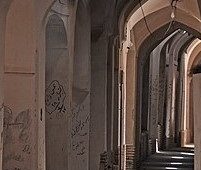
The Hasht Behesht Palace: A Marvel of Safavid Architecture in Isfahan
Isfahan, once the vibrant capital of the Safavid dynasty, is a city renowned for its architectural splendor and historical significance. With a rich array of historical buildings scattered throughout the city, Isfahan stands as a destination of immense cultural value, attracting both domestic and international tourists. Among the many magnificent structures from the Safavid era, the Hasht Behesht Palace stands out as one of the most exquisite examples of Safavid architecture. Known for its remarkable design, symmetry, and historical importance, the palace offers a unique insight into the lavish lifestyles of the Safavid monarchs.
Historical Background
The Hasht Behesht Palace, also referred to as the Palace of Eight Paradises, was built during the reign of Shah Suleiman, the Safavid emperor, in the late 17th century. Situated in the central part of Isfahan, it is part of the greater Naqsh-e Jahan Square complex, which is a UNESCO World Heritage site. The palace was constructed to serve as a royal residence, but it was also intended as a luxurious pleasure house for the Safavid court. Hasht Behesht, meaning “Eight Paradises,” alludes to the paradise gardens that surrounded the palace, symbolizing the divine beauty and the earthly luxury that the palace was meant to reflect.
Isfahan, under the Safavids, was one of the most prosperous cities in the Islamic world, and Hasht Behesht is a testament to the grandeur and artistic expression of that era. The palace is surrounded by stunning gardens, fountains, and pools, which were intended to provide a paradise-like retreat for the royal family and their guests.
Architectural Design and Features
The Hasht Behesht Palace is an exemplary model of Safavid architecture, blending traditional Persian design with unique innovations. The building is a two-story structure, and it is famed for its symmetry, which is a characteristic of Persian garden architecture. The palace’s design follows the classical principles of the Persian “chahar bagh” (four-part garden), which divides the garden into four quadrants by water channels and walkways, symbolizing the four rivers of paradise.
1. Central Hall and Dome
The most iconic feature of Hasht Behesht is its central hall, which is crowned by a grand dome. The dome is one of the most beautiful aspects of the palace, with its intricate tilework and frescoes. The hall itself is octagonal in shape, and its design draws influence from the Persian tradition of creating a sense of openness and symmetry. The hall was likely used for royal gatherings, courtly events, and entertainment.
The dome above the central hall is decorated with exquisite tilework and calligraphy, showcasing the artistic talents of Persian artisans. The colors used in the tiles, particularly the shades of blue, are typical of Safavid art, and they lend the space a serene and ethereal atmosphere.
2. The Symmetry of the Garden
The Hasht Behesht Palace is also remarkable for the garden surrounding it, which is integral to the building’s overall design. As mentioned earlier, the palace is constructed in the chahar bagh style, with a central water channel dividing the space into four quadrants. This garden layout is meant to represent the concept of paradise, with its balance, symmetry, and connection to water, all of which are symbolic of divine harmony.
The palace is surrounded by water features, including fountains and pools, which not only enhance the aesthetic beauty of the space but also contribute to the cooling effect in the warm, dry climate of Isfahan. The use of water in the design reflects Persian notions of life and fertility, drawing a direct connection between nature and architecture.
3. Decorative Elements and Tilework
One of the standout features of the Hasht Behesht Palace is its tilework, which is a hallmark of Persian architecture. The palace features intricate geometric patterns and floral motifs that are common in Persian design. The use of mosaic tiles creates a dynamic visual experience for visitors, drawing the eyes to the intricate details that adorn the walls, ceilings, and columns.
Additionally, the palace’s frescoes and paintings are works of art that tell stories of royal life and Persian mythology. The depictions of Persian kings, court scenes, and flowers reflect the richness and luxury of the Safavid period. These artistic elements create a fusion of visual beauty and symbolic meaning, which was central to Persian palace design.
Cultural and Social Context
The Hasht Behesht Palace was not just a residence for the royal family; it was a space for culture, entertainment, and royal festivities. The Safavid period, particularly under Shah Suleiman, was a time of cultural flourishing in Isfahan, and the palace was a central place for political affairs and cultural exchanges. The royal family would host important dignitaries, scholars, artists, and foreign ambassadors within the palace’s walls.
The gardens of Hasht Behesht also served as a place for leisure and relaxation, where the king and his guests could enjoy the peaceful atmosphere while surrounded by beauty. These spaces were integral to Persian royal culture, where nature was celebrated and integrated into everyday life.
Preservation and Modern-Day Relevance
Over the centuries, the Hasht Behesht Palace has undergone various periods of restoration and renovation. Despite some wear and tear, the palace remains in good condition and continues to attract visitors from all over the world. The palace is a testament to the legacy of the Safavid dynasty and remains an important symbol of Persian architectural ingenuity.
Today, the Hasht Behesht Palace is a museum and is open to the public. Visitors can explore its beautiful rooms, gardens, and courtyards, immersing themselves in the grandeur and luxury of the Safavid court. The palace’s enduring beauty makes it one of Isfahan’s most visited sites, and its cultural significance continues to be celebrated as part of the city’s historical identity.
The Hasht Behesht Palace is an iconic landmark in Isfahan, representing the height of Safavid architectural and artistic achievements. Its stunning design, blending Persian and Islamic elements, is a testament to the wealth and cultural importance of the Safavid dynasty. From its symmetrical gardens and magnificent dome to its intricate tilework and frescoes, the palace offers a unique glimpse into the luxury and splendor of one of Iran’s most glorious eras.
Today, the Hasht Behesht Palace remains a vital part of Isfahan’s cultural heritage and continues to captivate visitors with its historical significance and timeless beauty. Whether you’re an admirer of architecture, art, or simply the beauty of Persian gardens, the Hasht Behesht Palace is a must-see on any visit to Isfahan, offering a glimpse into the rich history and cultural legacy of Iran.