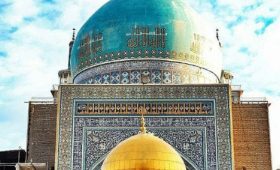
Tavakoli House: A Historic Jewel in Mashhad
Introduction: Mashhad, one of the most revered cities in Iran due to its spiritual significance, is a city filled with history, culture, and stunning architectural landmarks. Among the city’s many historic sites, the Tavakoli House stands out as a fine example of traditional Persian architecture. This historical house is not only a significant cultural site but also an important part of Mashhad’s rich heritage. Located in close proximity to the holy shrine of Imam Reza (A.S.), Tavakoli House offers a chance to explore the architectural splendor and lifestyle of the past.
Historical Context: The Tavakoli House is an architectural masterpiece that dates back to the Qajar period, a time when Mashhad was flourishing both as a religious hub and a center of artistic and architectural development. The house was constructed by a wealthy merchant family, the Tavakolis, who were known for their significant role in the local economy and society. Over the years, the house has undergone some modifications, but it has remained an outstanding example of the craftsmanship and attention to detail typical of its era.
Architectural Features: Tavakoli House is an exceptional example of Qajar-era Persian residential architecture. It combines elements of traditional Iranian design with unique features that distinguish it from other buildings of its time. Here are some notable aspects of the house’s architecture:
- Courtyard and Layout: Like many traditional Iranian houses, the Tavakoli House is built around a central courtyard, which serves as the focal point of the structure. The courtyard is beautifully landscaped with a fountain and surrounding gardens, offering a peaceful escape from the hustle and bustle of the city. The house is designed with multiple wings, each with its own set of rooms for different purposes, such as the family living areas, reception halls, and storage spaces.
- Tilework and Decorations: The interior of Tavakoli House is adorned with intricate tilework, including vibrant islamic geometric patterns, floral designs, and calligraphy, which are hallmarks of Persian art. The walls are decorated with beautiful stucco work, and there are ornate wooden doors and windows with elaborate carvings.
- Badgir (Windcatcher): One of the most interesting features of the house is the Badgir, a traditional Persian windcatcher. This architectural element was used to provide natural ventilation and cool down the interiors, an essential feature in the hot summers of Mashhad.
- Decorative Elements: The rooms in Tavakoli House are richly decorated with mirrors, plaster reliefs, and wooden panels, creating an atmosphere of grandeur. The central hall, in particular, is notable for its decorative ceilings, where delicate woodwork and frescoes add a touch of elegance and luxury.
Cultural Significance: Tavakoli House is more than just a building; it serves as a window into the past and offers insight into the lifestyle of Mashhad’s wealthy merchant families during the Qajar period. The house was once a vibrant center for social gatherings, business dealings, and family events. Its design reflects the cultural values of the time, emphasizing privacy, family cohesion, and a close connection to nature.
Today, the house is an important cultural and historical site in Mashhad. It is often visited by tourists who want to explore the city’s architectural legacy and its connection to Iran’s rich past. As part of Mashhad’s broader cultural heritage, Tavakoli House stands alongside other significant historical landmarks in the city, including the Imam Reza Shrine, Goharshad Mosque, and Nader Shah’s Mausoleum.
Visiting Tavakoli House: A visit to Tavakoli House offers an opportunity to step back in time and experience the historical richness of Mashhad. The house is open to visitors and provides guided tours that explore its architectural features and historical significance. Many of the original decorative elements are still intact, allowing visitors to appreciate the fine craftsmanship and artistry of the Qajar period.
Nearby Attractions: Mashhad is home to numerous other cultural and historical attractions that can be explored in conjunction with a visit to Tavakoli House. Some nearby landmarks include:
- Imam Reza Shrine: A key religious destination and the holiest site in Mashhad, attracting millions of pilgrims each year.
- Nader Shah Mausoleum: The final resting place of Nader Shah, one of Iran’s most famous kings, and a monument to his legacy.
- Goharshad Mosque: A stunning example of Islamic architecture, located near the Imam Reza Shrine.
Tavakoli House is an exceptional historical site that encapsulates the elegance, style, and culture of Mashhad’s Qajar-era aristocracy. It offers a unique glimpse into the architectural splendor of the time, showcasing the attention to detail and craftsmanship that defined this period. Whether you’re a history buff, an architecture enthusiast, or simply someone looking to explore the cultural heritage of Mashhad, Tavakoli House is an unmissable stop on your journey.