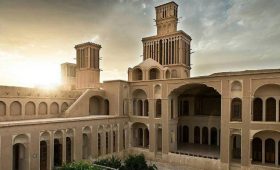

Shirkuh, Yazd: The Majestic Mountain in the Heart of the Desert
>
Shirkuh, one of the most prominent mountains in Iran, is located south of Yazd, near the village of Deh. With an impressive elevation of 4,075 meters above sea level, it is classified as one of the 1,515 ultra-prominent peaks worldwide. This towering mountain stands as the highest point in Yazd Province, forming a stark contrast against the surrounding arid landscape. Despite being situated in a predominantly desert region, Shirkuh boasts a unique ecosystem, attracting adventurers, nature lovers, and researchers alike.
>
In this comprehensive article, we will explore the geographical, historical, ecological, and cultural significance of Shirkuh, along with insights into the trekking routes and tips for visitors.
Geography and Location
>
Shirkuh is part of the central mountain ranges of Iran, forming a subrange of the Zagros Mountains. It is located approximately 40 kilometers southwest of Yazd and acts as a natural barrier against the harsh desert winds. The mountain is surrounded by several villages, including Deh Bala and Toranj, which serve as gateways for climbers and tourists.
Climate
>
Due to its high altitude, Shirkuh experiences a distinct climate compared to the surrounding desert. While the base of the mountain endures scorching summers and dry conditions, the upper elevations remain relatively cool, even experiencing snowfall during winter. This variation in temperature contributes to the unique flora and fauna found in the region.
Historical Significance
>
Shirkuh has been a vital landmark for centuries, serving as a natural fortress for travelers and local inhabitants. Historically, the mountain has provided a source of water for nearby settlements through its seasonal springs and underground aquifers. Many ancient trade routes passed through this region, making it an important location for caravans traveling between Yazd and other parts of Iran.
>
Additionally, Shirkuh has been mentioned in various Persian literary and historical texts, signifying its cultural importance.
Flora and Fauna
>
Despite its proximity to arid deserts, Shirkuh is home to a diverse range of plant and animal species. The lower slopes of the mountain are covered with shrubs and hardy vegetation, including wild pistachio trees and mountain almonds. As elevation increases, the vegetation becomes sparser, with patches of juniper trees and alpine meadows appearing closer to the summit.
Wildlife in the region includes:
- Persian leopards (rare sightings)
- Wild goats and ibexes
- Foxes and hares
- Various species of birds, including eagles and falcons
The presence of these species highlights the ecological richness of the area and underscores the need for conservation efforts.
Trekking and Mountaineering
>
Shirkuh is a popular destination for trekkers and mountaineers, with its summit being achievable in a single day for experienced climbers. There are several routes leading to the top, but the most commonly used path starts from Deh Bala village.
Popular Routes:
- Deh Bala Route: This is the most accessible and frequently used route, offering a relatively moderate climb.
- Toranj Route: A more challenging path with steeper ascents and rougher terrain.
- Darreh Gorg (Wolf Valley) Route: Known for its scenic beauty and diverse landscapes.
Climbing Tips:
- The best seasons to climb are spring and autumn when the temperatures are mild.
- Proper hiking gear, including sturdy boots and layered clothing, is essential.
- Carry sufficient water, as natural sources may not be available year-round.
- Hiring a local guide is recommended for safety and navigation.
Cultural and Touristic Importance
>
Shirkuh is not only a natural wonder but also a cultural symbol for the people of Yazd. Many local legends and myths are associated with the mountain, adding to its mystique. In recent years, eco-tourism initiatives have aimed to promote sustainable travel while preserving the mountain’s natural beauty.
The nearby village of Deh Bala has gained popularity as a retreat for visitors seeking respite from the desert heat. With its lush gardens, cool climate, and traditional accommodations, it provides an excellent base for exploring the region.
>
Shirkuh stands as a remarkable natural landmark, embodying the contrast between towering peaks and vast deserts. Its geographical prominence, historical significance, and rich biodiversity make it a destination worth exploring. Whether you are an avid trekker, a nature enthusiast, or a cultural explorer, Shirkuh offers an unforgettable experience in the heart of Iran.
>
As tourism in the region grows, it is crucial to ensure responsible and sustainable travel practices to protect the pristine environment of this majestic mountain. Shirkuh remains a symbol of resilience and beauty, standing tall as a guardian of Yazd’s natural heritage.