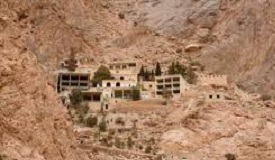

Bagherabad Castle: A Historical Monument from the Qajar Era
Bagherabad Castle is an architectural landmark from the Qajar dynasty located in the Bafq region of Yazd Province. Built under the orders of Abdulrahim Khan, the son of Mohammad Taghi Khan Bafqi, this fortress was designed as a shelter to protect its inhabitants from potential threats and as a grain storage facility. The castle has a rich history and represents the defensive and economic priorities of its time.
Historical Background
Constructed during the Qajar era, Bagherabad Castle was strategically located to safeguard the local population from invasions and external threats that were common during the period. It also served as a storage facility for grain, a vital resource during periods of instability. The Qajar dynasty, which ruled Iran from the late 18th century to the early 20th century, witnessed numerous internal conflicts and external pressures, making fortifications like Bagherabad essential for survival.
The construction of the castle took place in three distinct stages, each of which contributed to the final form of the structure. The strategic design and multifaceted use of the castle reflect the adaptive nature of Qajar-era architecture, blending military, economic, and residential needs.
Architectural Features
Bagherabad Castle is a fine example of traditional Persian fortress architecture, with key elements that are typical of the Qajar style. The structure is made from mud brick and stone, common materials used in desert architecture due to their insulation properties. The castle’s design focuses on practicality and defense, with features like high walls, narrow entrance passages, and watchtowers that provided strategic vantage points to survey the surrounding areas for potential threats.
The fortified walls are complemented by bastions or defensive corners, which were designed to give defenders an advantage in case of a siege. These structures were crucial in providing defense against attackers and in creating a safe refuge for the local population.
Inside the castle, several rooms were used as grain storage. These storage areas were vital during times of famine or military conflict, ensuring that the population could survive even when external supplies were cut off. The castle’s central courtyard served as a gathering point for the community and was surrounded by rooms for both residential and military use.
Cultural and Social Significance
Beyond its military and agricultural functions, Bagherabad Castle also holds cultural and social significance. It played a crucial role in the local governance of the area, with Abdulrahim Khan and his family residing within the walls, ensuring the castle served as a symbol of power and influence. The Qajar dynasty was known for its feudal system, and Bagherabad Castle embodied the strength of local rulers who had the means to build such fortifications and control the surrounding regions.
The construction of the castle in three phases also highlights the evolving needs and challenges of the time. As external threats grew and local economies developed, the architecture of Bagherabad evolved to meet new demands, reflecting the changing socio-political climate.
Tourism and Preservation
Today, Bagherabad Castle stands as a historic monument that draws interest from tourists, historians, and architecture enthusiasts alike. Its location in the Bafq desert provides a glimpse into the traditional way of life during the Qajar era, offering visitors a chance to explore the castle’s walls and rooms while imagining the struggles and strategies of those who once lived there.
Efforts have been made to preserve the castle, but like many ancient structures, it faces the challenges of time and weathering. The Yazd Province government and local preservation societies have been working to maintain the castle, ensuring it remains an important piece of Iran’s cultural heritage.
Bagherabad Castle is a testament to the resilience and ingenuity of the Qajar dynasty. It offers valuable insights into the historical, architectural, and social aspects of the period. The castle’s strategic position, coupled with its multifaceted functions as a military stronghold and grain storage facility, makes it a unique monument within the vast history of Iran’s fortifications. Visitors to Bagherabad Castle are not only offered a glimpse into the architectural style of the time but are also invited to reflect on the cultural and social forces that shaped the history of the region.4o