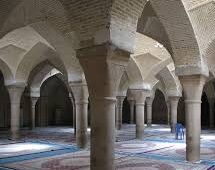

Tel-e Timuran: An Ancient Archaeological Site in Fars Province
>
Fars Province, rich in historical significance and archaeological treasures, is home to numerous ancient sites that reveal the deep history of the region. One of the most fascinating archaeological sites in Fars is Tel-e Timuran, an ancient mound that offers a glimpse into the distant past, specifically the 2nd millennium BCE. This mound, often overlooked in comparison to other more famous sites in Iran, holds essential clues to the early civilizations of the Iranian Plateau. Situated in the heart of the province, Tel-e Timuran is considered an important monument for those seeking to understand the early cultural developments that laid the foundation for future Persian empires.
>
In this detailed article, we will explore the history, archaeological significance, structure, and the modern-day relevance of Tel-e Timuran, shedding light on why this site is vital to understanding the prehistory of Fars and the broader ancient history of the Iranian plateau.
Historical Background of Tel-e Timuran
>
Tel-e Timuran, located approximately 40 kilometers from Shiraz, the capital of Fars Province, is one of the most important archaeological sites dating back to the 2nd millennium BCE, a time when early societies in the Iranian Plateau were beginning to form. The mound is believed to be a remnant of a settlement that existed long before the establishment of the Achaemenid Empire. It is part of a larger group of prehistoric settlements in the region that provide evidence of the Elamite civilization, one of the ancient cultures that once thrived in Iran.
>
The Elamites, who inhabited the region from approximately 3000 BCE to 539 BCE, are thought to have been the builders of Tel-e Timuran. The archaeological evidence unearthed at this site, including pottery, tools, and figurines, suggests that the area was once a thriving center of commerce and culture, long before the rise of the great empires of Persia.
>
The site of Tel-e Timuran, along with its historical significance, has helped scholars trace the migration patterns, social structure, and daily life of the people who lived here. Although the area was not continuously inhabited throughout its history, it served as an important hub for surrounding communities during its peak.
Archaeological Discoveries at Tel-e Timuran
>
The site itself is an ancient mound (or tell), a term used in archaeology to describe a man-made hill formed by the accumulation of debris from generations of human habitation. Tel-e Timuran is approximately 200 meters in length, 140 meters in width, and has an elevation of 6 meters at its highest point. The size and form of the mound suggest that it was once a fortified settlement or an important ceremonial site.
1. Excavations and Artifacts
>
Archaeological excavations at Tel-e Timuran have uncovered a wealth of artifacts that shed light on the culture and society of its inhabitants. These items include:
- >
- Pottery Fragments: Various pottery shards with distinct designs and styles have been found, some of which display Elamite influences. The pottery provides insights into the daily life of the people, as well as their artistic and cultural preferences.
- Tools and Implements: Stone and metal tools, used for activities such as agriculture, weaving, and hunting, have been discovered at the site. These tools highlight the technological advancements of the time and suggest that the community was engaged in a variety of productive activities.
- Figurines and Sculptures: Small figurines and sculptures have been found at Tel-e Timuran, some depicting animals and others human figures. These figurines are often linked to religious or spiritual practices, reflecting the belief systems of the time.
- Inscriptions: Although the mound has not yielded many written records, the inscriptions that have been discovered suggest a society that valued written language and communication, likely used for administrative purposes or religious rituals.
>
These excavations have helped archaeologists piece together a picture of the Elamite civilization, one of the earliest advanced cultures in the region, predating the later rise of the Achaemenid and Sassanian empires.
Geographical and Structural Features of Tel-e Timuran
>
One of the most striking features of Tel-e Timuran is its physical structure. As a tell, it was built up over centuries through the accumulation of mud brick, stone, and other materials that were deposited by successive generations of inhabitants. This method of construction created the mound that is visible today.
1. The Dimensions of the Mound
>
The mound measures approximately 200 meters in length and 140 meters in width, with the highest point reaching an elevation of 6 meters above the surrounding plain. The size of the mound indicates that Tel-e Timuran was an important settlement, likely serving as a local hub for the surrounding agricultural communities.
2. Strategic Location
>
Tel-e Timuran is located in a strategic area near the Zayandeh River, which would have provided the early settlers with essential resources such as water for irrigation, drinking, and agriculture. The location of the mound was likely chosen for its proximity to fertile lands, making it a desirable place for early agricultural settlements.
3. Defensive Features
>
The mound’s height and strategic position also suggest that it may have served as a fortified settlement, protecting its inhabitants from potential threats. While no significant fortifications have been uncovered, the physical layout of the site and the location on elevated ground would have made it easier to defend from attackers.
Cultural and Historical Significance of Tel-e Timuran
>
Tel-e Timuran plays a crucial role in understanding the early history of Fars and the broader ancient Iranian Plateau. The site provides valuable insights into the life and culture of the Elamite civilization, which flourished in this region long before the rise of the Achaemenids and other Iranian empires.
1. The Elamite Civilization
>
The Elamites, who lived in the southwestern region of Iran, are considered one of the earliest advanced civilizations in the area. They had a rich culture and were known for their contributions to art, writing, and architecture. The discoveries at Tel-e Timuran, including pottery, tools, and inscriptions, suggest that the Elamites were highly skilled in various crafts and industries.
- >
- The Elamite language is one of the oldest known languages in the region and is thought to have been used for both administrative and religious purposes. The inscriptions found at Tel-e Timuran provide valuable clues to the development of writing systems in ancient Iran.
- Artistic achievements from the Elamite period, including the figurines and pottery found at the site, reflect the cultural and religious beliefs of the time. These objects often depict gods, animals, and symbols of fertility, demonstrating the Elamites’ connection to nature and spirituality.
2. Economic and Social Life
>
Tel-e Timuran’s proximity to the Zayandeh River likely allowed its inhabitants to thrive through agriculture and trade. The tools and implements discovered at the site suggest that the people engaged in activities such as farming, textile production, and animal husbandry. These findings highlight the sophisticated economic system of the Elamite civilization and its ability to support a large, settled population.
>
Socially, the presence of figurines and religious objects suggests that the community had a structured society with a belief system centered around gods and spiritual practices. It is likely that Tel-e Timuran was not only an economic center but also a religious and cultural hub.
Visiting Tel-e Timuran Today
>
Today, Tel-e Timuran remains a relatively undiscovered archaeological site compared to other ancient landmarks in Iran. However, it is still a must-visit location for those interested in the early history of Fars and the broader development of ancient Iranian civilizations.
>
Visitors to the site can witness the impressive size of the mound and explore the area, gaining a sense of the ancient city’s layout and the resources that sustained its inhabitants. The nearby Zayandeh River offers a picturesque backdrop for the site, further enhancing the experience.
>
Despite being somewhat off the beaten path, Tel-e Timuran is a valuable historical treasure, offering a window into the lives of the early inhabitants of the Iranian plateau and their cultural, economic, and religious practices.
>
Tel-e Timuran is a hidden gem in the archaeological landscape of Fars Province, providing critical insights into the Elamite civilization and the ancient history of Iran. The 2nd millennium BCE settlement has stood the test of time, revealing artifacts, architectural features, and clues that help us understand the early life and development of one of the most significant regions in the ancient world.
>
As interest in Iran’s ancient history continues to grow, Tel-e Timuran offers a fascinating opportunity to explore the early roots of Iranian culture and the lasting influence of the Elamite civilization. This ancient mound is not just a physical structure, but a testament to the endurance of human history, offering us a glimpse of the past that shapes the present and future of Iranian heritage.