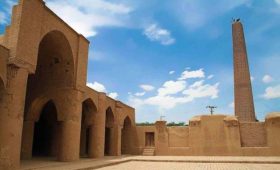

Hammam Khan Yazd: A Historic Bathhouse Preserving the Past
One of the most important historical sites in Yazd, Hammam Khan, stands as a remarkable example of traditional Persian bathhouses. Located in the heart of Yazd, this bathhouse offers a unique glimpse into the daily life and cultural practices of ancient Iran. The Hammam Khan was fortunately spared from the ravages of time and natural disasters, maintaining its historical charm. In August 1999, it was officially registered as a National Heritage of Iran due to its architectural significance and cultural value.
Historical Overview
The Hammam Khan bathhouse dates back to the Safavid era, although some aspects of its construction may date even earlier. As with many other bathhouses in Iran, it served a dual purpose of providing personal hygiene and acting as a social gathering place for the people of the city. The tradition of communal bathhouses in Iran has deep cultural and social roots, with these spaces serving as venues for relaxation, conversation, and community connection.
The Hammam Khan bathhouse is named after the Khan family, a prominent local family during the Qajar period, who played a significant role in maintaining and overseeing the bathhouse’s operations. The bathhouse continued to function as a place for cleansing and relaxation until the late 20th century, after which it was repurposed as a historical site open to the public.
Architectural Features
The Hammam Khan is a stunning example of traditional Persian architecture, showcasing the ingenuity and craftsmanship that characterized Persian bathhouses for centuries. Like many bathhouses in Iran, it consists of several key sections, each designed for specific functions. These sections include the entrance hall, cold room (sarbineh), warm room (garmkhaneh), and hot room (khazineh).
One of the most striking features of Hammam Khan is its dome. The bathhouse features a large, majestic dome that is beautifully decorated with geometric patterns and intricate tilework. This dome serves not only as an aesthetic focal point but also plays a practical role in the architecture by ensuring proper ventilation and light inside the bathhouse. The clever design allows hot air to circulate efficiently throughout the structure, while its natural lighting creates a serene, peaceful atmosphere.
The cold room is the first area that visitors encounter upon entering the bathhouse. This section is where bathers would prepare themselves before moving into the warmer areas. The warm room, the central part of the bathhouse, contains heated floors and walls, providing the perfect environment for bathing and relaxing. The hot room, the most intense section of the bathhouse, was where the hottest baths were taken, and it was the focal point for social interaction.
Another remarkable feature of Hammam Khan is the use of water channels that run throughout the bathhouse. These channels ensure a constant supply of fresh water for the baths and help maintain the desired temperatures in different sections of the building. The efficient water system reflects the advanced engineering techniques employed by the architects and builders of the time.
Preservation and Significance
The preservation of Hammam Khan is a testament to the care and effort taken to protect Iran’s architectural heritage. Unlike many other bathhouses, which have fallen into ruin due to neglect, natural disasters, or urbanization, Hammam Khan has been kept intact over the years. Its inclusion in the National Heritage list in 1999 helped to protect it from further deterioration and ensured that it remains a valuable part of Yazd’s cultural fabric.
In recent years, the bathhouse has been carefully restored to preserve its historical accuracy and aesthetic beauty. Restoration efforts have focused on maintaining the building’s original features, such as its tilework, domes, and water systems, while also modernizing certain aspects for safety and visitor comfort. Today, Hammam Khan is a popular tourist attraction in Yazd, drawing visitors from around the world who are interested in exploring the history and culture of Iran.
Cultural and Social Importance
As with other bathhouses in Persian culture, Hammam Khan was not just a place for bathing; it was also a significant social space. In ancient Iran, bathhouses were the centers of community life, where people would gather not only for hygiene but also for socializing, conducting business, and even discussing matters of politics. The communal nature of the bathhouse created a sense of connection and shared experience among its users.
For the people of Yazd, Hammam Khan was a hub of daily activity, where men and women would come together to socialize and relax in the warm, steamy atmosphere. These interactions were crucial to building relationships, fostering community ties, and maintaining social order. Over the years, the bathhouse became a space for the exchange of ideas, news, and gossip, making it an essential part of the social fabric of the city.
Visiting Hammam Khan Today
Today, Hammam Khan is open to the public as both a historical site and a museum. Visitors can explore the various sections of the bathhouse and marvel at its intricate design and engineering. The bathhouse’s beauty, combined with its historical significance, makes it a must-see destination for anyone visiting Yazd.
In addition to being a museum, Hammam Khan also hosts cultural events, exhibitions, and educational programs that highlight the importance of traditional Iranian architecture and cultural practices. The site has become an important part of Yazd’s tourism infrastructure, attracting both domestic and international visitors.
The Hammam Khan Yazd bathhouse stands as a remarkable example of Iranian architectural ingenuity and cultural history. Its preservation and ongoing restoration ensure that future generations can continue to appreciate the craftsmanship and social significance of this important structure. Whether you’re a history enthusiast, an architecture lover, or simply someone seeking to experience the rich cultural heritage of Yazd, Hammam Khan is a destination that should not be missed.