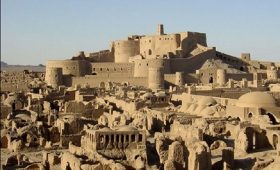
Ganjali Khan Complex: A Historical Masterpiece in Kerman
The Ganjali Khan Complex is one of the most famous historical attractions in Kerman, Iran. As an integral part of the Grand Bazaar of Kerman, this complex is a testament to the architectural and cultural prosperity of the Safavid era. Built under the rule of Ganjali Khan, the renowned governor of Kerman during the reign of Shah Abbas I, the complex showcases a blend of Persian artistry and functional urban design.
Historical Background
Commissioned in the late 16th and early 17th centuries, the Ganjali Khan Complex was designed to serve as the economic and social hub of Kerman. The construction of this grand ensemble reflects the Safavid dynasty’s commitment to fostering trade, culture, and urban development.
Architectural Features
The Ganjali Khan Complex consists of several key structures, each with distinctive architectural and artistic elements:
1. Ganjali Khan Square
- The central square of the complex, surrounded by magnificent buildings, served as a focal point for social and economic activities.
- The symmetrical layout and the surrounding arcades showcase the influence of Persian urban planning.
2. Ganjali Khan Bathhouse
- An outstanding example of Safavid-era bathhouse design, adorned with intricate frescoes, stucco work, and tile decorations.
- Now functioning as an anthropology museum, the bathhouse features wax figures that depict traditional Iranian bathing rituals.
3. Ganjali Khan Bazaar
- A crucial part of the complex, this section of the Grand Bazaar of Kerman was historically used for trade and commerce.
- The bazaar’s long vaulted corridors create a mesmerizing ambiance, allowing visitors to experience the traditional Persian marketplace.
4. Ganjali Khan Caravanserai
- This structure provided lodging and rest facilities for merchants and travelers, contributing to the commercial vibrancy of Kerman.
- The caravanserai’s spacious courtyard and chambers highlight the practicality of Persian architectural ingenuity.
5. Ganjali Khan Mosque
- A small yet beautifully adorned mosque within the complex, featuring exquisite calligraphy and tilework.
- Served as a place of worship for traders and visitors.
6. Ganjali Khan Cistern
- A well-designed water reservoir ensuring the availability of fresh water for the complex’s residents and visitors.
- The cistern exemplifies the advanced water management systems of the Safavid era.
Cultural and Touristic Significance
The Ganjali Khan Complex remains a significant cultural and touristic site in Kerman, attracting visitors from all over the world. It offers a glimpse into the grandeur of Safavid urban planning and Persian artistic heritage. The meticulous preservation of its structures allows tourists to appreciate its historical authenticity while engaging in the vibrant atmosphere of the Grand Bazaar.
The Ganjali Khan Complex stands as a remarkable symbol of Safavid architectural brilliance and economic vitality. From its bustling bazaar to its intricately designed bathhouse, mosque, and caravanserai, this complex provides a comprehensive insight into the rich cultural history of Kerman. A visit to this historical site is a journey through time, where the legacy of Persian craftsmanship and urban development comes to life.