Qazi House: A Historical and Architectural Gem of Bushehr
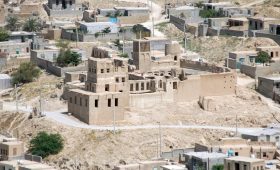
Nestled in the heart of Bushehr, Qazi House stands as one of the most significant historical landmarks of the region. With its origins dating back to the Zand dynasty, this architectural masterpiece showcases the rich cultural and artistic heritage of Iran’s southern coastal cities. From its intricate stucco decorations to its stunning wooden windows with colorful glass panels, Qazi House is a testament to the elegance and craftsmanship of Persian architecture.
Recognized for its historical and artistic value, Qazi House was officially registered as a National Heritage Site of Iran on April 12, 1967, under registration number 1624. This house, belonging to the Qazi family, remains a remarkable symbol of the architectural traditions that once flourished in the Persian Gulf region.
Historical Background
Qazi House is one of the oldest surviving residential structures in Bushehr, dating back to the late 18th century during the rule of the Zand dynasty. During this period, Bushehr emerged as an important trade and maritime hub, leading to the construction of grand houses that reflected the affluence and sophistication of the city’s elite.
The house belonged to the influential Qazi family, who were prominent figures in Bushehr’s society. Their residence was not just a home but also a place where significant social and political interactions took place. Over the centuries, Qazi House has witnessed numerous historical events and has remained a key cultural landmark in the region.
Architectural Features
Qazi House is an exceptional example of Persian Gulf residential architecture, combining both aesthetic beauty and functional design. The house was constructed using traditional materials such as coral stones, wood, and lime plaster, which were well-suited to the warm and humid climate of Bushehr.
Stucco Decorations and Ornamental Motifs
One of the most striking features of Qazi House is its exquisite stucco (gachbori) decorations. The walls and ceilings are adorned with floral and geometric patterns, creating an artistic harmony that reflects Persian architectural styles. These delicate motifs symbolize nature and spirituality, elements that were commonly integrated into Iranian designs.
Muqarnas and Intricate Entrance
The entrance of Qazi House is another highlight of its design. The doorways are embellished with muqarnas (stalactite-like architectural ornamentation), a hallmark of Persian-Islamic architecture. This unique feature gives depth and grandeur to the entrance, welcoming visitors into a world of artistic elegance.
Wooden Lattice Windows with Colored Glass
The windows of Qazi House are crafted with exceptional woodworking techniques. These finely carved wooden panels, known as monabbat-kari, feature stained glass that allows sunlight to create dazzling displays of colors inside the rooms. This technique was not only aesthetically pleasing but also functional, as it reduced the glare of direct sunlight while allowing natural light to illuminate the interior.
Wind Towers (Badgirs) and Ventilation System
As Bushehr is known for its hot and humid climate, Qazi House was designed with an advanced ventilation system that included traditional wind towers (badgirs). These structures facilitated natural air circulation, keeping the house cool even during the peak summer months. The presence of inner courtyards also helped maintain a comfortable temperature within the living spaces.
Cultural and Historical Significance
Qazi House is not only an architectural marvel but also a symbol of Bushehr’s rich cultural heritage. Over the years, the house has played a significant role in reflecting the lifestyle, traditions, and artistic preferences of the city’s affluent families.
The residence also stands as a reminder of Bushehr’s importance as a maritime and commercial center during the Zand and Qajar eras. The intricate designs and imported materials used in its construction indicate the influence of international trade on the region’s architecture.
Qazi House as a Tourist Attraction
Today, Qazi House is one of the must-visit attractions in Bushehr. Tourists, architecture enthusiasts, and historians visit the site to admire its beauty and learn about its historical significance. The house provides visitors with a unique opportunity to experience the grandeur of traditional Persian Gulf architecture up close.
Key Attractions for Visitors:
- Stunning stucco decorations with floral and geometric motifs
- Beautifully carved wooden doors and lattice windows with stained glass
- Traditional Persian Gulf architectural elements such as muqarnas and badgirs
- A glimpse into the historical lifestyle of Bushehr’s elite families
Preservation and Restoration Efforts
Given its age and historical importance, Qazi House has undergone various restoration efforts to maintain its structural integrity and artistic details. Conservation projects have focused on reinforcing the walls, restoring the delicate stucco patterns, and preserving the wooden elements from humidity-related decay.
The Iranian Cultural Heritage Organization, along with local authorities, has played a crucial role in ensuring that Qazi House remains a well-preserved heritage site for future generations.
Qazi House is more than just a historical monument—it is a living representation of the artistic and cultural legacy of Bushehr. Its intricate designs, stunning craftsmanship, and historical significance make it one of Iran’s most treasured heritage sites. Whether you are a history buff, an architecture enthusiast, or a traveler looking for unique cultural experiences, a visit to Qazi House is an unforgettable journey into the past.
With its timeless charm and cultural richness, Qazi House continues to stand as a proud symbol of Bushehr’s architectural splendor and historical heritage.